PracticeE-signature
Sign online. Wet ink where the law requires it.
Clients sign engagement letters and agreements in minutes. Instruments that can’t be signed electronically are routed to a tracked paper execution instead.

Signatures that stand up
Every envelope sealed, every signer accounted for.
Send a document from its matter. Each signer chooses how to sign: draw it, type it, or upload a photo of their signature, cleaned up on their own device so the original never leaves it. The signature’s SHA-256 fingerprint goes into a hash-chained audit trail that seals the envelope.
Signing, done properly
Fast for clients, defensible for the firm.
Three ways to sign
Draw, type or upload, whichever the signer prefers.
Sign in the app
Clients can sign inside the Asem mobile app as well as from a secure link.
Firm-branded emails
Your logo, colour and name in every signing request.
Executed copy
Carries a signatures block and the audit record.
Act 772
The law’s exclusions, built in
Ghana’s Electronic Transactions Act, 2008 (Act 772) recognises electronic signatures but excludes certain instruments. Asem refuses to send these for e-signature and routes them to a wet-ink workflow. Only a lawyer or the managing partner can reclassify a document, with an audited reason.
- Wills and codicils
- Conveyances, transfers and leases of land
- Powers of attorney and trust instruments
- Affidavits and statutory declarations

Wet ink
A paper execution you can track
Print the execution pack: every page carries a tracking code and a verification QR code. Upload the signed scan and Asem seals it with a fingerprint; a lawyer records the date, place and witnesses, and a checklist per instrument keeps stamp duty and registration moving.
Verification
Anyone can confirm a document is genuine
A public verification page shows only the firm, instrument type, status, dates and fingerprint, never the contents. Any change to a signed document or its record breaks the chain.
In short
Can law firms in Ghana use electronic signatures?
Yes. The Electronic Transactions Act, 2008 (Act 772) recognises electronic signatures for most documents, so engagement letters, agreements and forms can be signed online. Section 4 excludes some instruments, including wills, powers of attorney, land conveyances and sworn affidavits, which must still be executed in wet ink.



FAQ
Can clients sign on their phone?
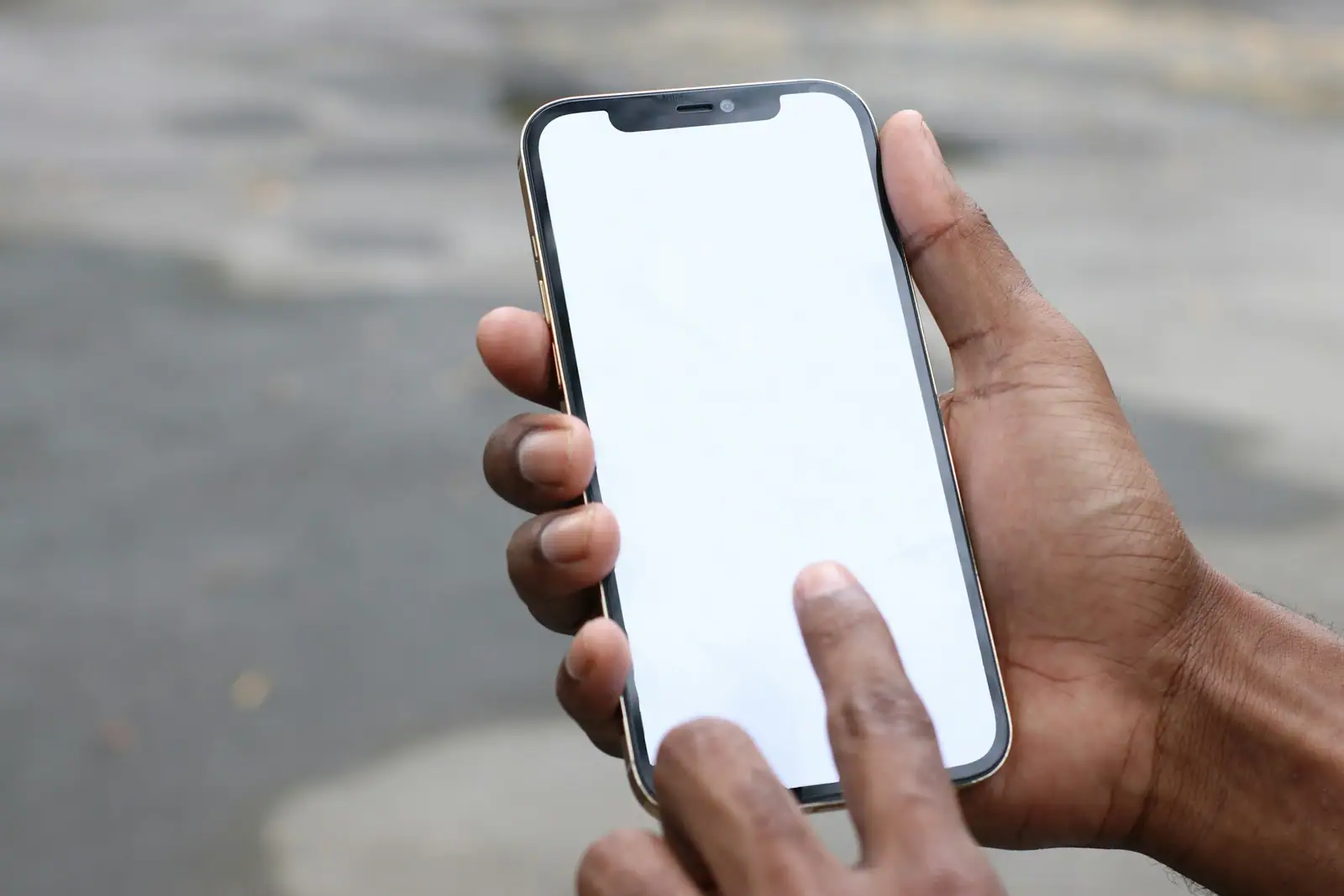
Yes, from a secure link in any browser, or inside the Asem mobile app.
How do we prove a signed document hasn’t changed?
Each envelope is sealed with a hash-chained audit trail. Any change to the document or its record breaks the chain, and the executed copy carries the audit record.
Where can I read more about Act 772?
Our guide to electronic signatures in Ghana explains what the Act allows and what still needs wet ink.
Signatures your firm can defend.
See an engagement letter signed online, and a conveyance routed to wet ink, in a live demo.